Paperclip vs DIY Multi-Agent Setup
Without a dedicated orchestration layer, most developers manage many AI agents by keeping multiple terminal sessions open, one per agent. Context is lost on reboot, there is no shared task state between agents, and cost monitoring requires checking each provider's dashboard separately.
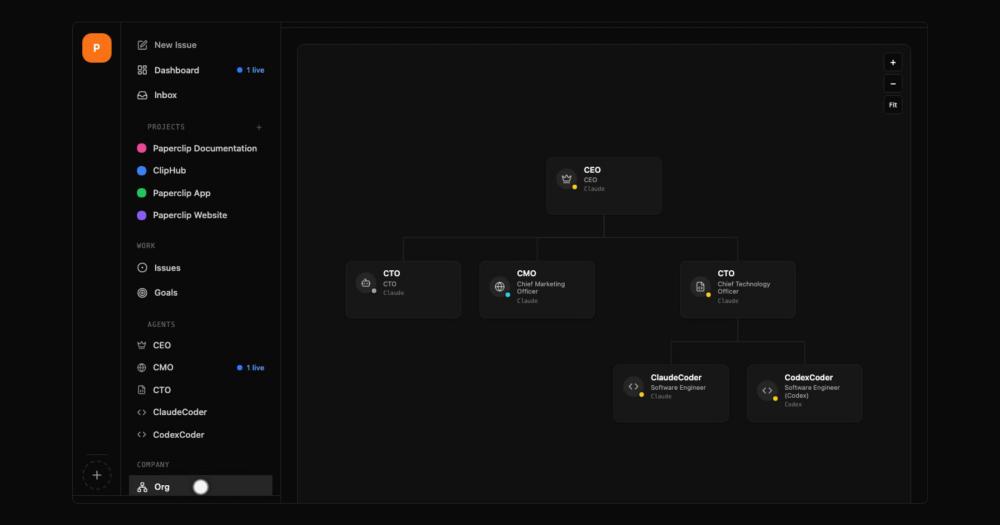
Paperclip replaces that approach with a unified control plane: persistent ticket-based tasks, per-agent budgets with hard stops, org-chart-based coordination, and an immutable audit log of every decision. The tradeoff is infrastructure: you run a Node.js server, not a lightweight CLI.
The DIY approach still works for developers running one or two agents on short-lived experiments where the overhead of a ticketing system and org chart is not justified.
Proprietary agent management platforms that run as managed cloud services offer faster onboarding (no server to run) and often tighter integration with specific model providers. They are a reasonable choice for teams with no ops capacity or strong preferences for a specific vendor ecosystem.
Paperclip trades that convenience for ownership. The MIT license means you can fork it, extend it, and run it commercially without licensing fees or vendor terms changing under you. Agent provider choice is fully open: any model, any runtime, one org chart.
Teams that need zero infrastructure overhead and do not mind vendor lock-in should evaluate commercial platforms. Teams that need data sovereignty, multi-company isolation on one server, or the ability to modify the orchestration layer should use Paperclip.